Archives
- 2026-10
- 2026-09
- 2026-08
- 2026-07
- 2026-06
- 2026-05
- 2026-04
- 2026-03
- 2026-02
- 2026-01
- 2025-12
- 2025-11
- 2025-10
- 2025-09
- 2025-03
- 2025-02
- 2025-01
- 2024-12
- 2024-11
- 2024-10
- 2024-09
- 2024-08
- 2024-07
- 2024-06
- 2024-05
- 2024-04
- 2024-03
- 2024-02
- 2024-01
- 2023-12
- 2023-11
- 2023-10
- 2023-09
- 2023-08
- 2023-07
- 2023-06
- 2023-05
- 2023-04
- 2023-03
- 2023-02
- 2023-01
- 2022-12
- 2022-11
- 2022-10
- 2022-09
- 2022-08
- 2022-07
- 2022-06
- 2022-05
- 2022-04
- 2022-03
- 2022-02
- 2022-01
-
The biological characteristics of cancer invasion and metast
2024-12-02
The biological characteristics of cancer invasion and metastasis are mainly attributed to the poor prognosis in cancer. It has been reported that overexpression of Ack1 promoted the migratory and invasive properties of breast cancer sr9009 mg by sustaining expression of epidermal growth factor. In
-
The discovery of acetylsalicylic acid aspirin in paved the
2024-12-02
The discovery of acetylsalicylic Protease Inhibitor Cocktail (100X in DMSO, EDTA plus) synthesis (aspirin) in 1897 paved the way for the development of classical NSAIDs as first-line therapeutics for anti-inflammatory, anti-pyretic and analgesic therapy. Large efforts have been made in the following
-
br Introduction Lung cancer is the leading cause of
2024-12-02
Introduction Lung cancer is the leading cause of cancer death worldwide and is one of the most refractory of solid tumors along with pancreatic cancer. Since 1975 there have been notable improvements in the 5-year survival rate of patients with lung cancer [1]. This improvement in survival is tho
-
Researchers demonstrated that mitochondria are the main
2024-12-02
Researchers demonstrated that mitochondria are the main producers of ROS and are the most sensitive to the effects of ROS. Mitochondria-mediated apoptosis may not be limited to the role of cytochrome c in the activation of caspase-3 and ROS may provide an alternate mitochondrial signaling pathway (H
-
br Experimental section br Introduction
2024-11-29
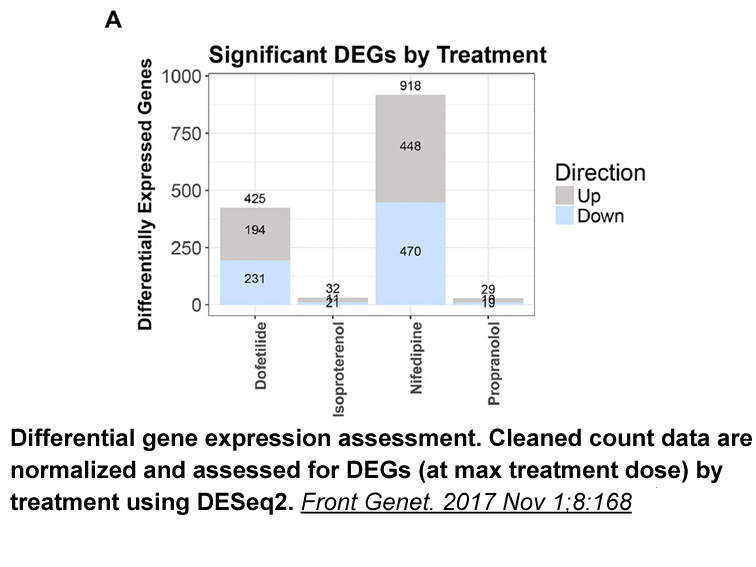
Experimental section Introduction NMDA receptor-induced increases in AMPAR trafficking to the synaptic surface mediates changes in synaptic efficacy in a number of H-Lys(Ac)-OH.HCl regions (Shi et al., 1999, Sun et al., 2005, Frenkel et al., 2006). While this process has been linked to the r
-
A number of interesting anti inflammatory molecules have als
2024-11-29
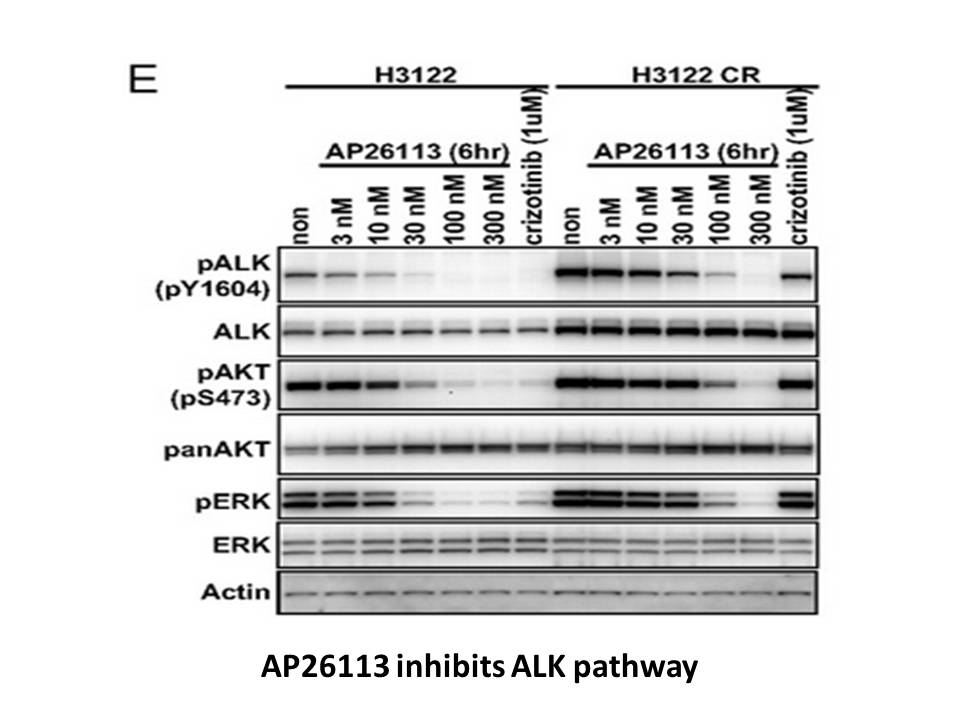
A number of interesting anti-inflammatory molecules have also been identified that are derived from AA or ω−3 fatty acids, including the lipoxins (for “lipoxygenase interaction products”), resolvins, and protectins [18], [19] (Fig. 1). The lipoxins are synthesized from AA by 5-, 12-, and 15-LOX, as
-
Based on our findings in this work as well as
2024-11-29
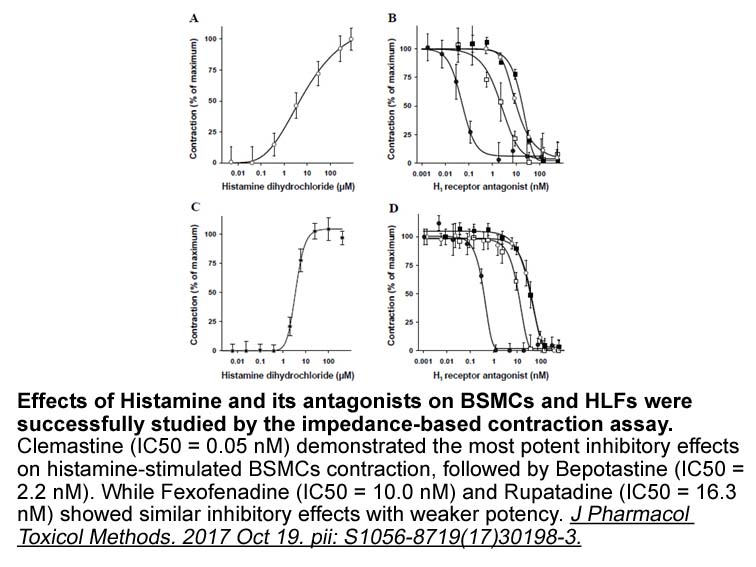
Based on our findings in this work as well as the previous published data in the experimental mice model of RSV infection, we suggest that modulation of 12/15 LOX expression and/or blocking of LOX products such as 12(S)-HETE may represent potential pharmacological approaches to prevent or treat vira
-
Some of the earliest LOX inhibitors were redox inhibitors in
2024-11-29
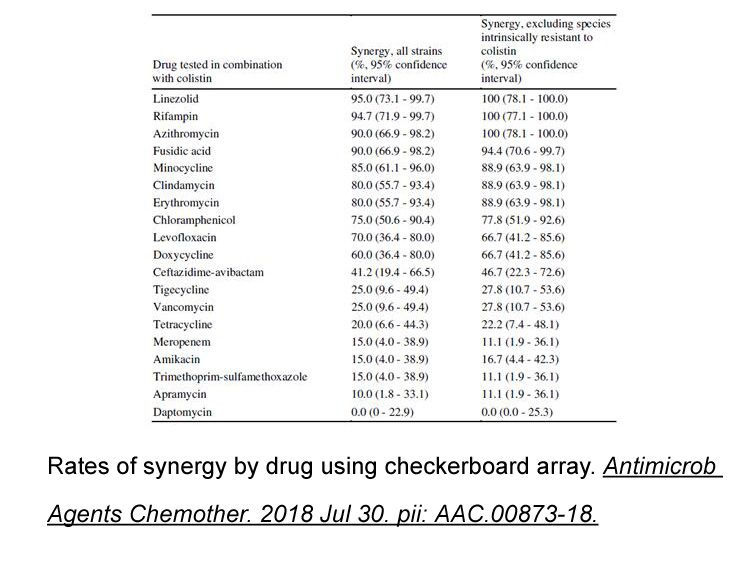
Some of the earliest 12-LOX inhibitors were redox inhibitors, including nordihydroguaiaretic Sulindac sulfide (NDGA), BW 755C, and baicalein 48, 49, 50. Redox inhibitors block the oxidation of the nonheme iron at the cataylytic site, preventing its conversion from the inactive (Fe2+) to the active
-
br Discussion Missense mutations transversions of the first
2024-11-29
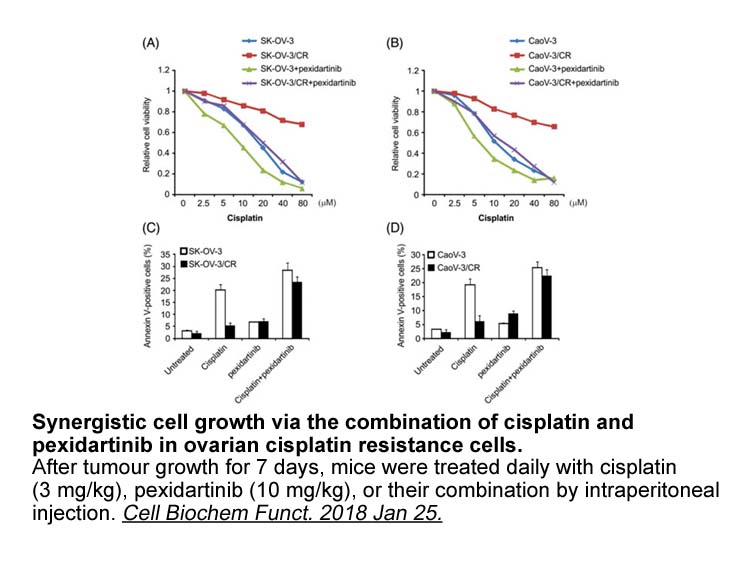
Discussion Missense mutations (transversions) of the first nucleotide of the phenylalanine Acetazolamide at position 1174 (F1174) of the anaplastic lymphoma kinase gene can result in substitutions to leucine or valine (F1174L/V) while missense mutation (transversion) of the second nucleotide of
-
Cy5 carboxylic acid (non-sulfonated) receptor For the first
2024-11-29
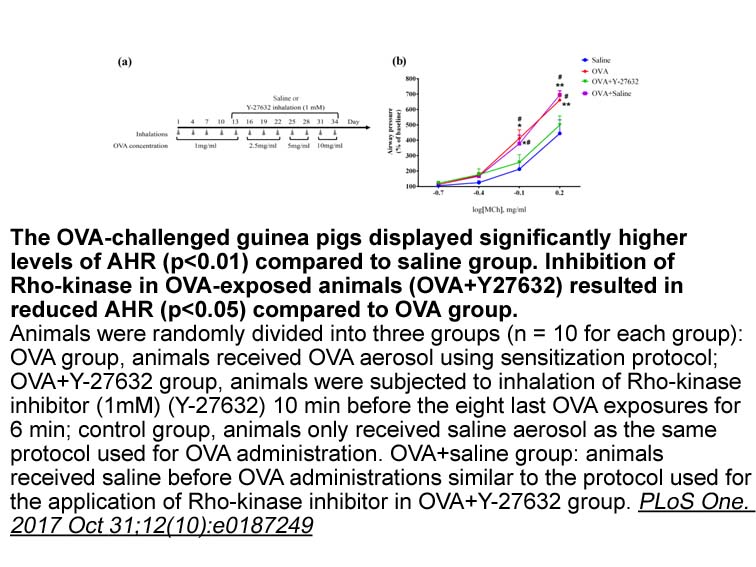
For the first series we decided to verify the effects induced, on the ALR2 inhibitory properties, of an additional steric hindrance on the carbon in α position with respect to the carboxylic group, by introducing a methyl group (R2=Me). Therefore, we synthesized a series of new α-alanine derivatives
-
br Role of OCT in histamine
2024-11-29
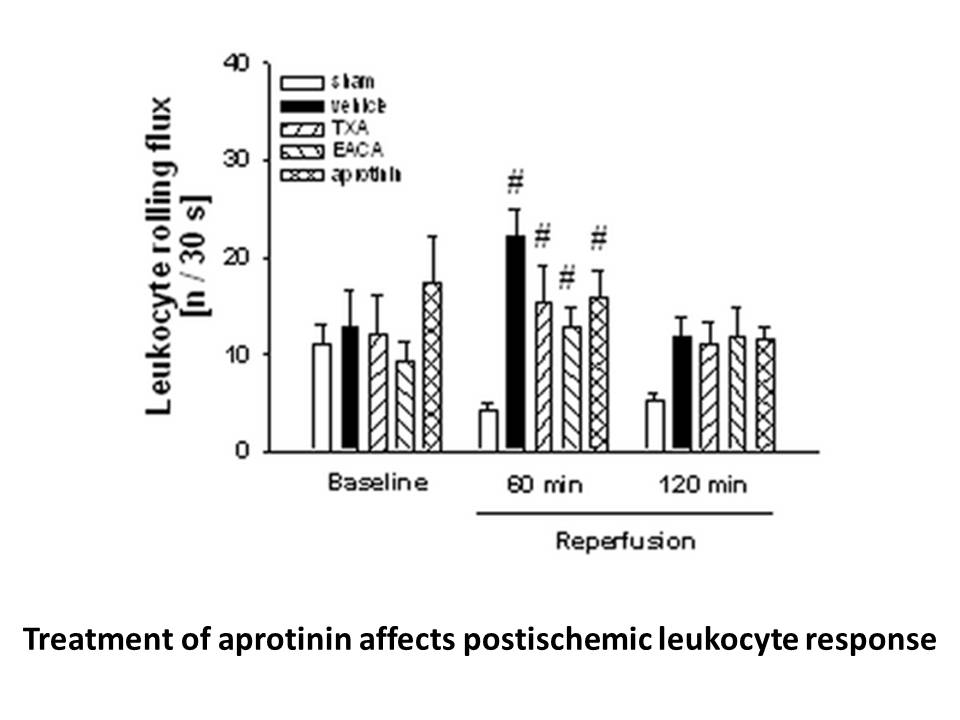
Role of OCT3 in histamine clearance Histamine is a powerful neuromodulator, as well as a regulator of immune processes and vascular tone in the central nervous system (Gross, 1981; Haas et al., 2008; Jutel et al., 2006). In contrast to 5-HT and the catecholamines, a high-affinity transporter for
-
br Conclusion The HT receptor family is complex and one
2024-11-29
Conclusion The 5-HT receptor family is complex, and one may ask as does Bryan Roth et al. [205] whether this is useless 2881 (i.e. too much redundancy) or an embarrassment of the riches (i.e. many potential targets to choose from to affect normal or pathological function); molecular biology has l
-
The CK catalyzes the reversible conversion of creatine into
2024-11-29
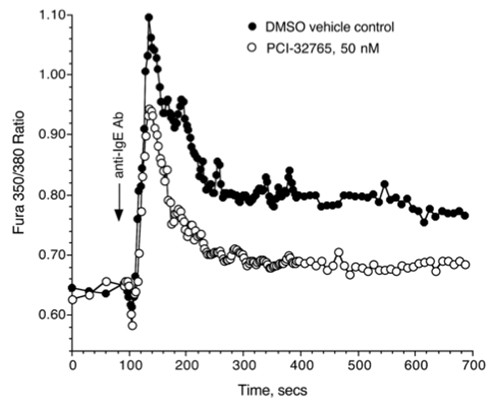
The CK catalyzes the reversible conversion of creatine into creatine phosphate using ATP and thereby releasing ADP. The CK isoenzymes, specifically localized in places where there is a demand and production of energy, are linked to a creatine/creatine phosphate shuttle (Wallimann et al., 1998). This
-
Though we have proved that VA could
2024-11-29
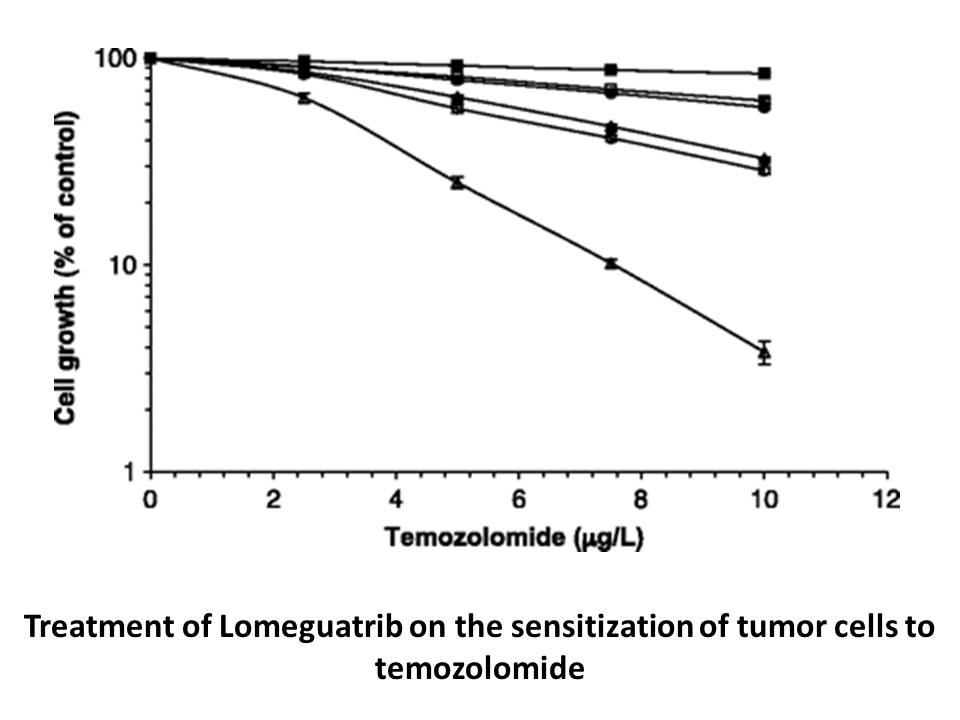
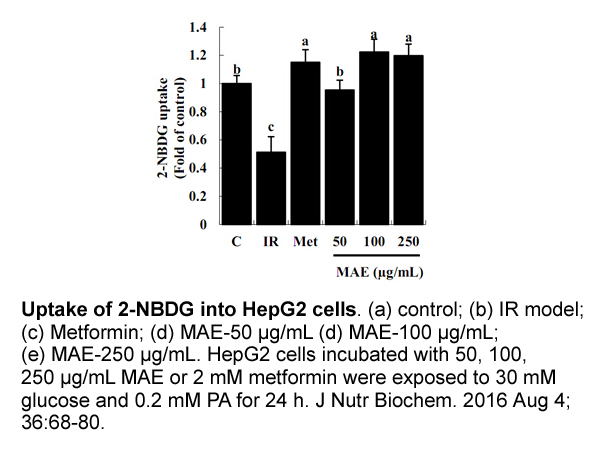
Though, we have proved that VA could suppress hepatic gluconeogenesis, the mechanisms of VA on gluconeogenesis in vivo and in vitro remain unclear. AMP-activated protein kinase (AMPK), which is called an energy receptor enzyme, is widely expressed in liver and other tissues [23]. AMPK has become ano
-
We aim to evaluate the AK in regulating adenosine signaling
2024-11-29
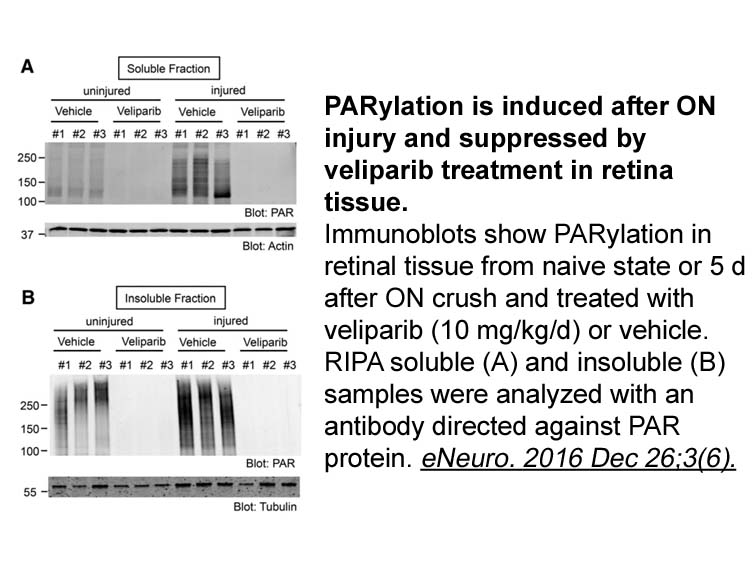
We aim to evaluate the AK in regulating adenosine signaling in the retina. It was reported that the degree of LDN193189 sale injury directly depends on expression levels of AK and the resulting extracellular levels of adenosine (Boison, 2006). Indeed, transgenic mice overexpressing AK are highly sus
8176 records 84/546 page Previous Next First page 上5页 8182838485 下5页 Last page