Archives
- 2026-08
- 2026-07
- 2026-06
- 2026-05
- 2026-04
- 2026-03
- 2026-02
- 2026-01
- 2025-12
- 2025-11
- 2025-10
- 2025-09
- 2025-03
- 2025-02
- 2025-01
- 2024-12
- 2024-11
- 2024-10
- 2024-09
- 2024-08
- 2024-07
- 2024-06
- 2024-05
- 2024-04
- 2024-03
- 2024-02
- 2024-01
- 2023-12
- 2023-11
- 2023-10
- 2023-09
- 2023-08
- 2023-07
- 2023-06
- 2023-05
- 2023-04
- 2023-03
- 2023-02
- 2023-01
- 2022-12
- 2022-11
- 2022-10
- 2022-09
- 2022-08
- 2022-07
- 2022-06
- 2022-05
- 2022-04
- 2022-03
- 2022-02
- 2022-01
- 2021-12
- 2021-11
- 2021-10
- 2021-09
- 2021-08
- 2021-07
- 2021-06
- 2021-05
- 2021-04
- 2021-03
- 2021-02
- 2021-01
- 2020-12
- 2020-11
- 2020-10
- 2020-09
- 2020-08
- 2020-07
- 2020-06
- 2020-05
- 2020-04
- 2020-03
- 2020-02
- 2020-01
- 2019-12
- 2019-11
- 2019-10
- 2019-09
- 2019-08
- 2019-07
- 2019-06
- 2019-05
- 2019-04
- 2018-07
-
(S)-Crizotinib AP and NF B activation is inhibited by curcum
2022-04-29
AP-1 [16], [17] and NF-κB activation is inhibited by curcumin (diferuloylmethane) [18], [19], the yellow component of Curcuma longa that gives curry its colour and flavour. Curcumin has shown anti-inflammatory and antioxidant properties [20], [21], [22], [23], [24], [25], [26] due to the inhibition
-
Both plant hormones and some second messengers are
2022-04-29
Both plant hormones and some second messengers are involved in Fe-deficiency-related responses in plants (Kobayashi and Nishizawa, 2012). Among these second messengers, nitric oxide (NO) accumulation was induced by Fe deficiencies in tomato and Arabidopsis roots, and it acts as the downstream signal
-
br Conclusion In this report
2022-04-29
Conclusion In this report, we describe the synthesis and evaluation of oxadiazole-based GSK3 inhibitors. Occupation of the ATP-binding pocket in its entirety led to the identification of several potent and selective compounds. These compounds are characterized by IC50 values in the low nanomolar
-
Introduction GPR is a class
2022-04-26
Introduction GPR119 is a class A type of G Protein coupled receptor, which is expressed primarily in pancreatic β-cells and the K and L hydrazide of the gastrointestinal tract [1], [2], [3]. Activation of GPR119 promotes secretion of incretins such as glucagon-like peptide-1 (GLP-1) in the intesti
-
It is well known that the expression of GPR A
2022-04-26
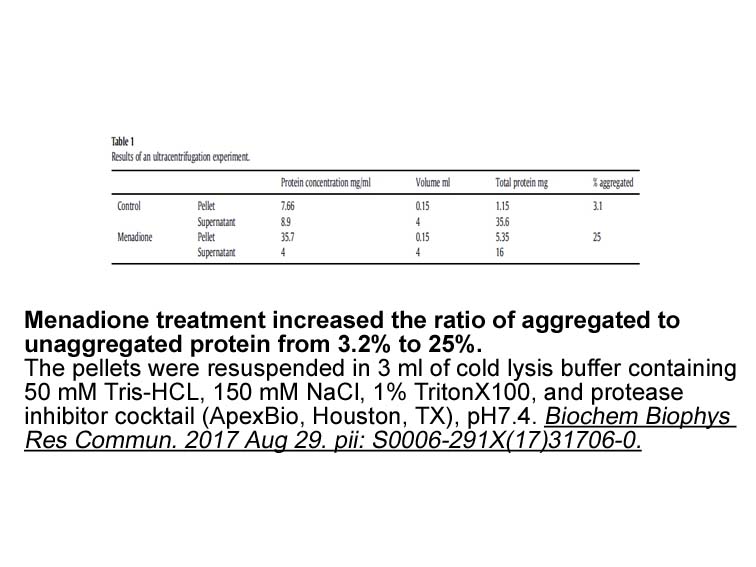
It is well known that the expression of GPR109A is regulated under physiological and pathological conditions. We previously found that GPR109A expression in islet beta-cells increased with age and was up-regulated by interferon-γ (Li et al., 2011). GPR109A levels in Min6 and INS-1E islet beta-cells
-
To test this concept we took advantage of our
2022-04-26
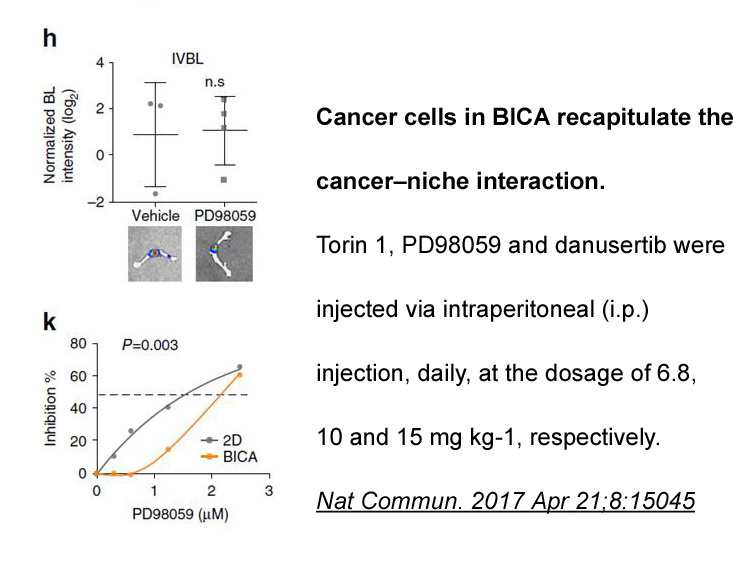
To test this concept, we took advantage of our large supply of various 2-pyridyl containing [3.1.0] cores (inactive with alkyl or aryl sulfonamides) and prepared the -methylimidazole sulfonamide analogs and (), as work form Merck demonstrated that the 2-pyridyl moiety was superior to the original
-
br Introduction Lichen forming fungi LFFs have evolved in
2022-04-26
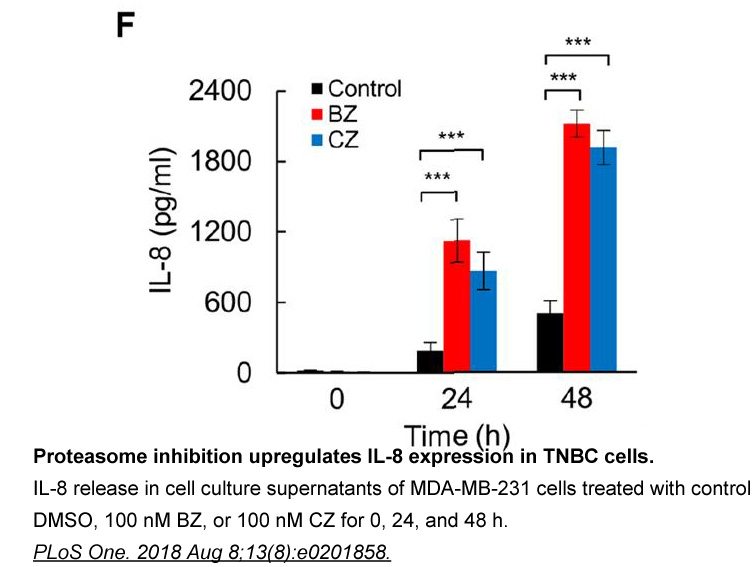
Introduction Lichen-forming fungi (LFFs) have evolved in various classes, including Arthoniomycetes, Coniocybomycetes, Dothideomycetes, Eurotiomycetes, Lecanoromycetes, Leotiomycetes and Lichinomycetes, in Ascomycota (James et al., 2006, Schoch et al., 2009a, Lumbsch and Rikkinen, 2017, Prieto et
-
In the present study co administration of TM AT receptor
2022-04-26
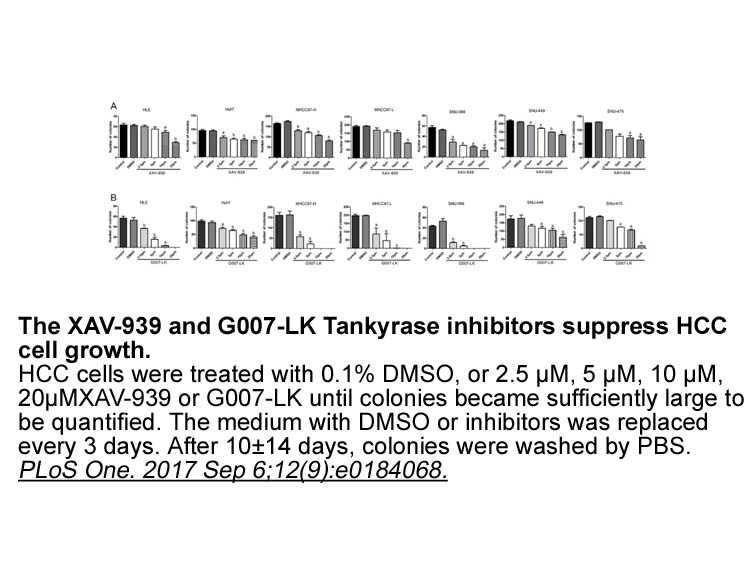
In the present study, co-administration of TM (AT1 receptor blocker) and PD (AT2 receptor blocker) were made in ischemic mice to explore the significance of AT2 receptors in cerebral ischemia while blocking central AT1 receptors. Also to prove that AT2 receptors should be free after ischemic injury
-
br Functional organization of postsynaptic
2022-04-26
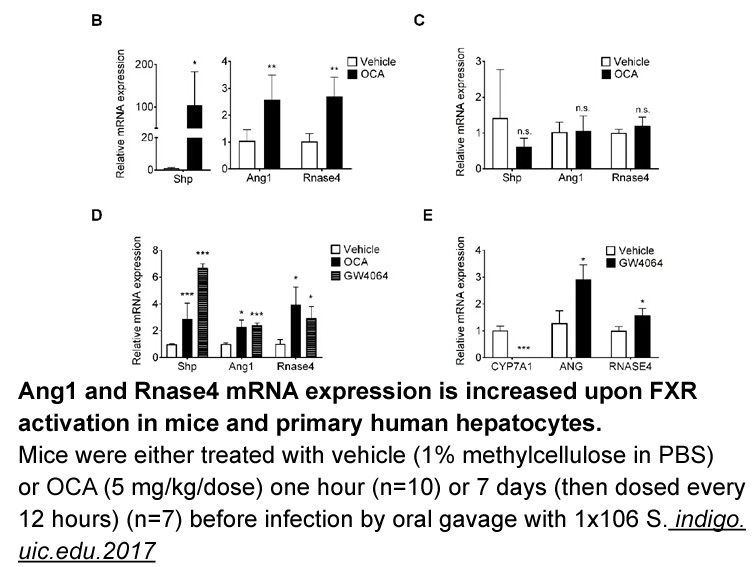
Functional organization of postsynaptic glutamate receptors Downstream effects of glutamate receptor positioning Mechanisms underlying the subsynaptic positioning of glutamate receptors Conclusions and future prospects The molecular organization of synapses is undoubtedly a critical dete
-
br A small conductance chloride channel SCC
2022-04-25
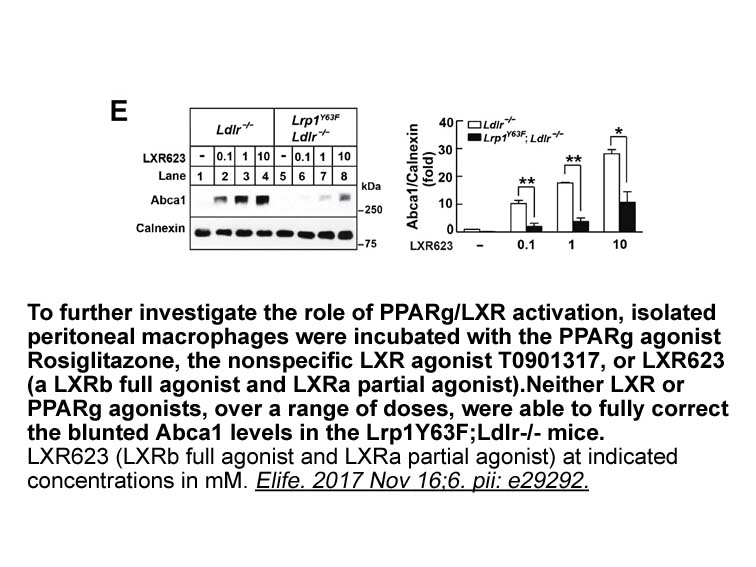
A small conductance chloride channel (SCC) In addition to the above-described channels, a 5pS SCC has been encountered in electrophysiological recordings. This channel, exhibiting long periods of opening separated by long intervals of closing, showed the same characteristics as the SCC described
-
We have previously designed an azobenzene based molecule
2022-04-25
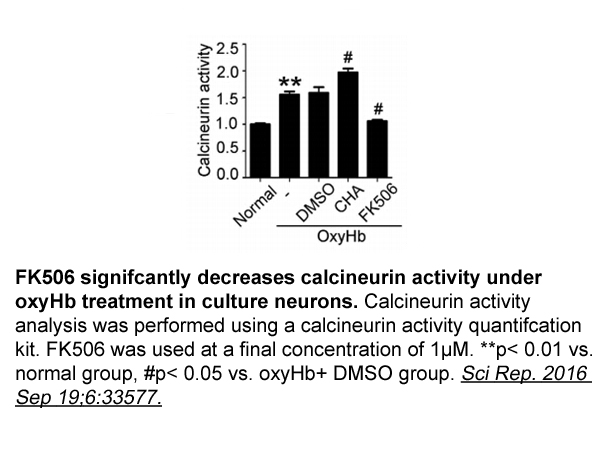
We have previously designed an azobenzene-based molecule, Razo, which could switch the conformations of G-quadruplex structures by photoregulation. 12, 13, 14, 15 However, it lacks selectivity to different G-quadruplexes. Therefore, we want to find a way to modify this molecule so that it could be u
-
TLRs were originally identified as
2022-04-22
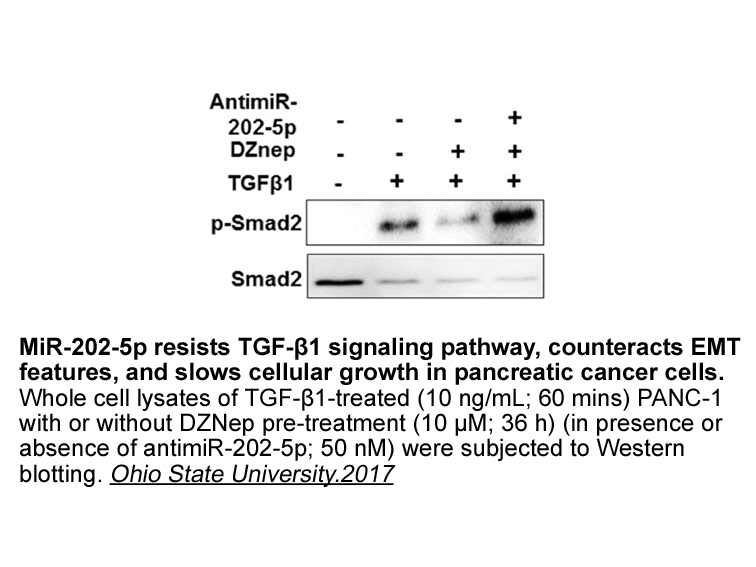
TLRs were originally identified as pathogen-associated molecular pattern recognition receptors that recognized exogenous ligands in response to infection [31]. In cirrhotic mice or patients, the gastrointestinal tract produces and absorbs considerable bacterial LPS with increased permeability of the
-
br ABT aR aR methyl hexahydropyrrolo
2022-04-22
ABT-288 (2-[4'-((3aR,6aR)-5-methyl-hexahydropyrrolo[3,4-b]pyrrol-1-yl)-biphenyl-4-yl]2H-pyridazine-3-one) is a selective H3R antagonist/inverse agonist developed by Abbott. Structurally, it is a compound with molecular weight (MW) 372.46 g/mol, three H-bond acceptors (HBA), and Moriguchi LogP (MLo
-
In this current study we not only demonstrated the
2022-04-22
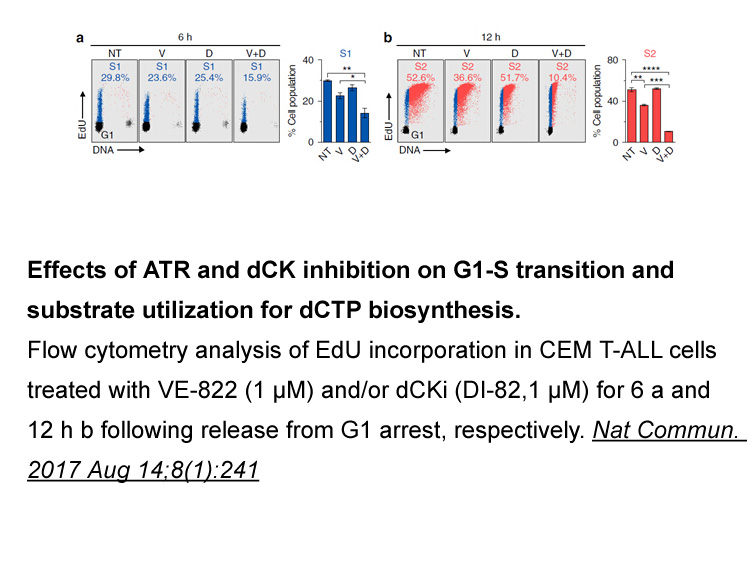
In this current study, we not only demonstrated the growth-inhibitory effects of the 2nd generation analog SL-1-39 on the HER2+ breast cancer cells, MDA-MB-453 and SKBR3 (Table 1), but we also demonstrated that the decrease in cell number was associated with an interruption of Norfloxacin progressi
-
A series of P P ureas
2022-04-22
A series of P3-P4 ureas were explored first and their anti-NS3 protease activity, antiviral properties in a HCV replicon cell-based assay and PK profiles examined. Installation of a methyl group on the P4 side nitrogen sirtuin of the urea yielded , a molecule which retained intrinsic potency agains
16042 records 469/1070 page Previous Next First page 上5页 466467468469470 下5页 Last page