Archives
- 2026-10
- 2026-09
- 2026-08
- 2026-07
- 2026-06
- 2026-05
- 2026-04
- 2026-03
- 2026-02
- 2026-01
- 2025-12
- 2025-11
- 2025-10
- 2025-09
- 2025-03
- 2025-02
- 2025-01
- 2024-12
- 2024-11
- 2024-10
- 2024-09
- 2024-08
- 2024-07
- 2024-06
- 2024-05
- 2024-04
- 2024-03
- 2024-02
- 2024-01
- 2023-12
- 2023-11
- 2023-10
- 2023-09
- 2023-08
- 2023-07
- 2023-06
- 2023-05
- 2023-04
- 2023-03
- 2023-02
- 2023-01
- 2022-12
- 2022-11
- 2022-10
- 2022-09
- 2022-08
- 2022-07
- 2022-06
- 2022-05
- 2022-04
- 2022-03
- 2022-02
- 2022-01
-
It remains unclear to what extent
2024-04-28
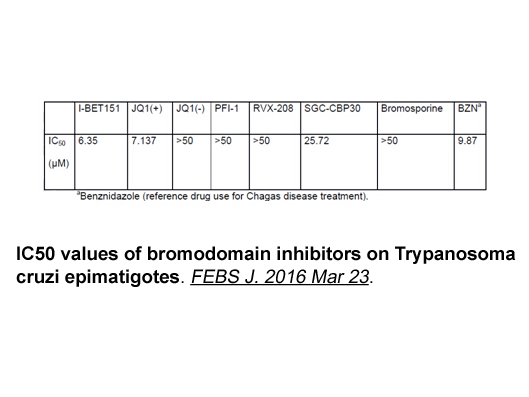
It remains unclear to what extent UCP2 and UCP3 are subject to the same acute molecular regulation as UCP1 (and the extent to which they share the same mechanism of uncoupling). Although they lack sequence homology in a matrix-localised region reportedly critical for fatty 61603 australia activatio
-
br Telmisartan Telmisartan is one
2024-04-28
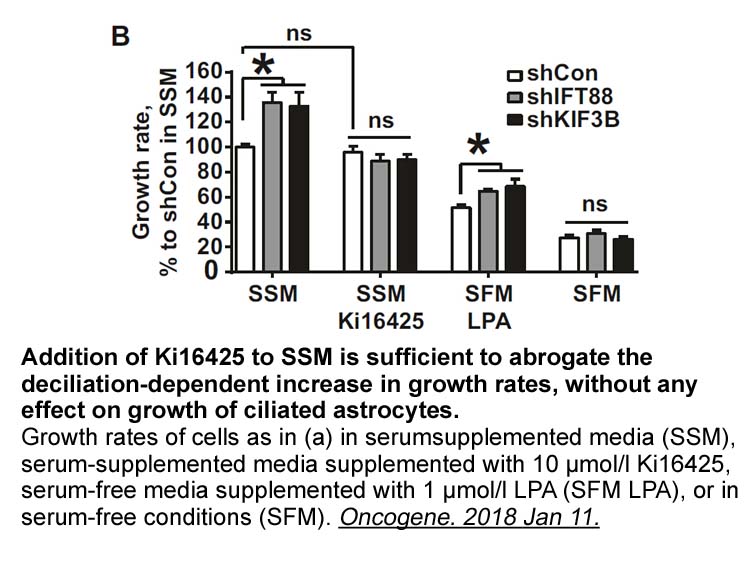
Telmisartan Telmisartan is one of the widely used antihypertensive agents, which has demonstrated favorable safety and tolerability profiles, both alone and in combination therapies. It has a number of pharmacological properties that distinguish it from other ARBs—the longest plasma half-life, hi
-
In summary the CV and
2024-04-28
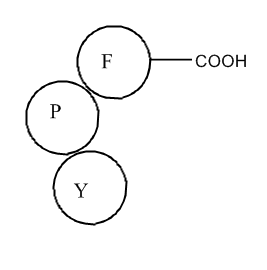
In summary, the CV and renal benefits of sacubitril/valsartan in HF patients are attributed to the increased levels of peptides that are degraded by neprilysin and the simultaneous inhibition of the effects of AT1 receptor by valsartan (Fig. 1). Physical and chemical properties Sacubitril/Valsar
-
RNA interference assays have shown that
2024-04-28
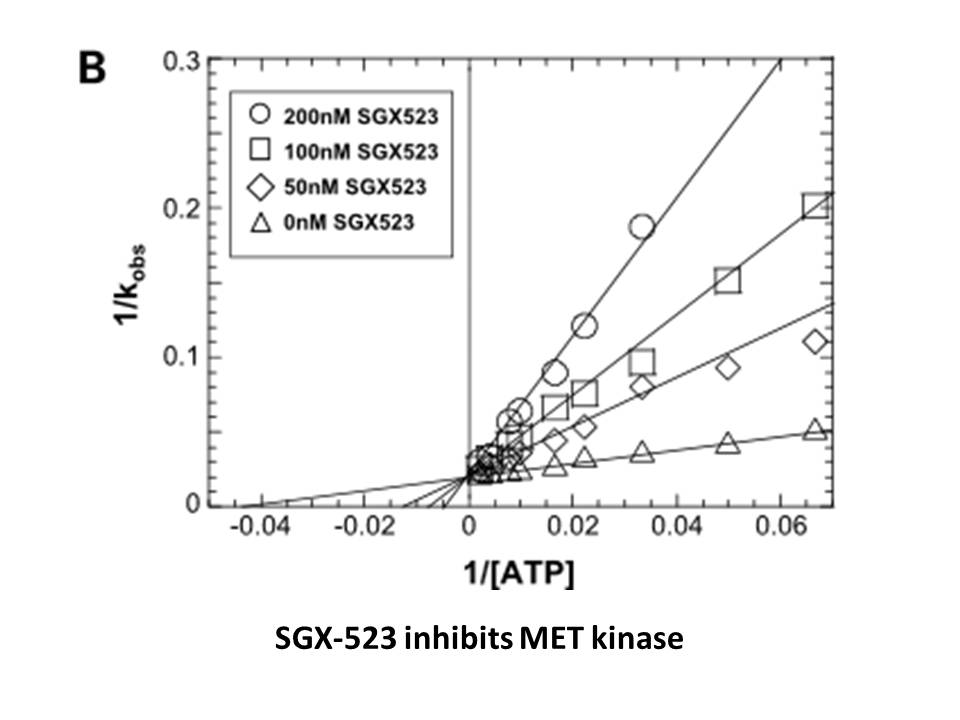
RNA interference assays have shown that the inhibition of AMPK expression leads to increases in TNF-α, IL-6 and cyclooxygenase-2 (COX-2) levels after LPS stimulus, whereas the transfection of macrophages with a constitutively active form of AMPKα1 results in decreased LPS-induced TNF-α and IL-6 prod
-
br Concluding remarks The past
2024-04-28
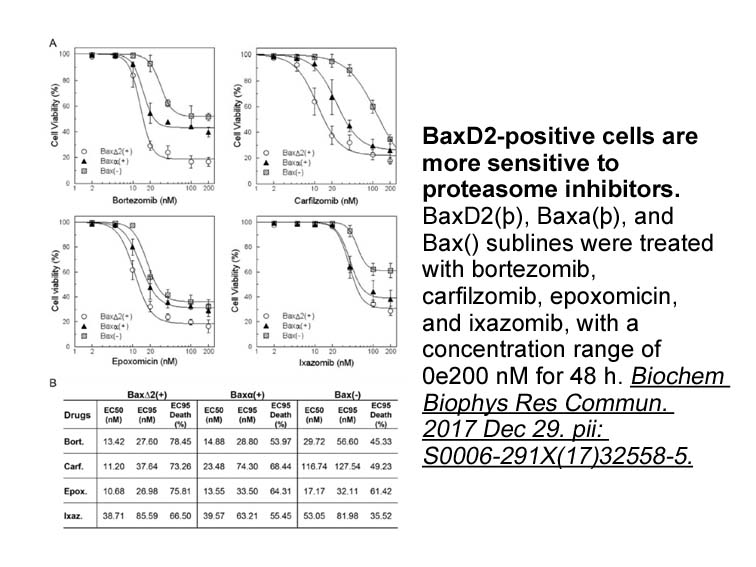
Concluding remarks The past decade has seen rapid advances in our understanding of the metabolic reprogramming that occurs during tumorigenesis. Strategies to target specific nodes of cancer cell amino phosphodiesterase inhibitors metabolism have progressed from preclinical studies to clinical tr
-
AR is an enzyme involved in
2024-04-28
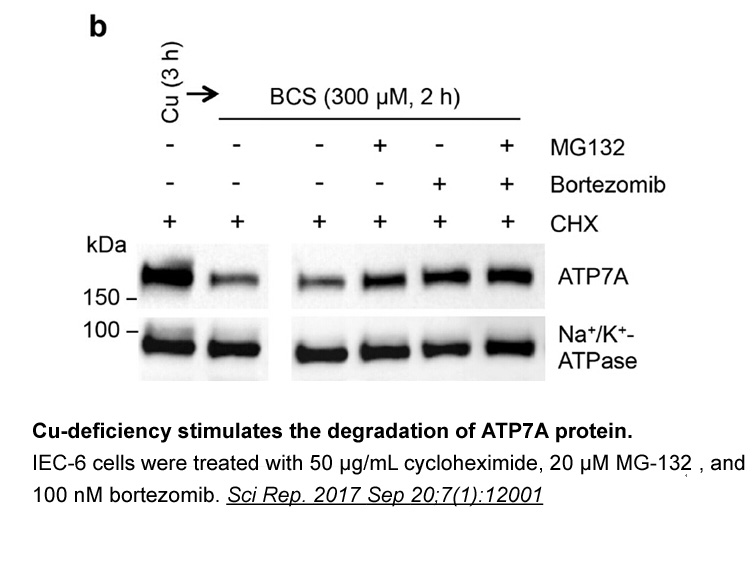
AR is an enzyme involved in conversion of glucose into sorbitol using NADPH as a cofactor [46]. This AR polyol pathway generates sorbitol accumulation and NADPH depletion. NADPH participates in detoxification via glutathione (GSH) reductase pathway [47]. Therefore, reduction of NADPH attenuates remo
-
Additionally we were prompted to validate the protective eff
2024-04-28
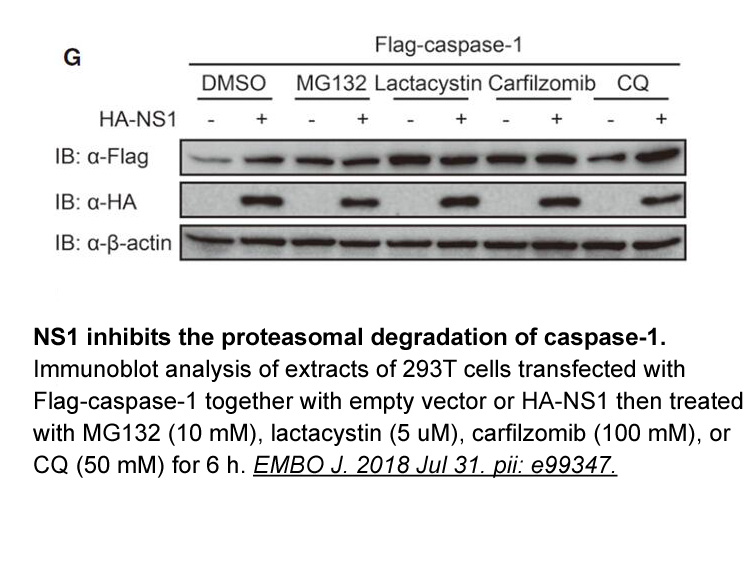
Additionally, we were prompted to validate the protective effect of ALDH3A1 by utilizing a human corneal model. Cornea is located in the anterior segment of the eye and thus, is constantly exposed to various environmental stressors that affect the cellular oxidative balance and consequently lead to
-
Adenosine is a ubiquitous homeostatic substance released fro
2024-04-28
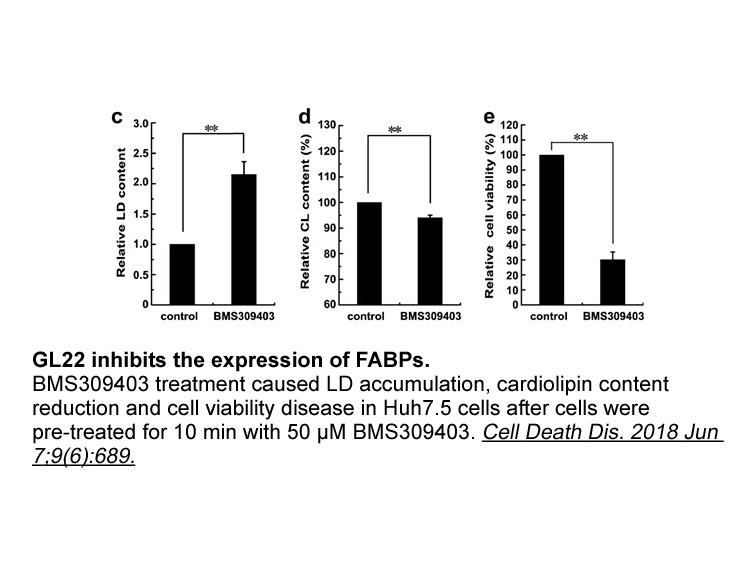
Adenosine is a ubiquitous homeostatic substance released from most cells, including neurons and glias. Endogenous adenosine acts at four principal G-protein-associated receptor subtypes: A1, A2a, A2b and A3 (Ralevic and Burnstock, 1998). The stimulation of adenosine receptors by extracellular adenos
-
Adenosine is an endogenous nucleoside that plays pivotal rol
2024-04-28
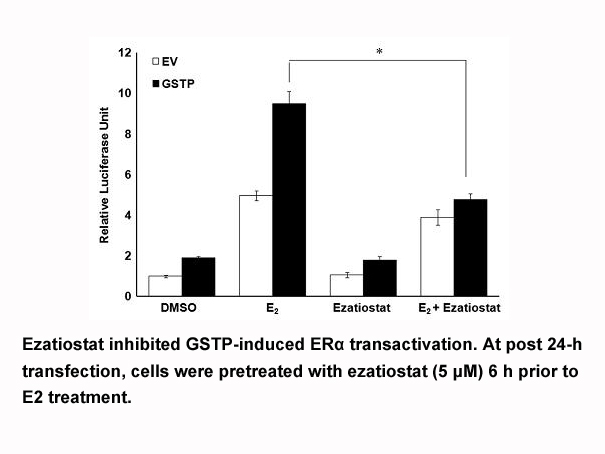
Adenosine is an endogenous nucleoside that plays pivotal roles in different physiological and pathophysiological processes by triggering specific cell-surface receptors both in the T7 High Yield Cy5 RNA and in the periphery. The adenosine receptors (ARs) are four different subtypes of G protein-cou
-
br ACK signaling partners ACK interacts
2024-04-28

ACK1 signaling partners ACK1 interacts with and tyrosine phosphorylates many cellular proteins regulating critical cellular processes [11]. While ACK1 shares common intracellular effectors such as AKT with other signaling pathways, it imparts specificity to signaling by phosphorylating effectors
-
In the final set of experiments
2024-04-28

In the final set of experiments, the dependence of the reaction rate on viscosity was determined. The experimental protocol previously used to study the reaction of LOX with AA was used., Reactions of 5-LOX and AA were carried out at different relative viscosities in Tris buffer (25mM, pH 8.0) at 20
-
SGC707 synthesis Young disease transitioning B Sle mice show
2024-04-28

Young disease-transitioning B6·Sle1 mice show partial loss of leukocyte Axl versus B6 controls (data not shown). Further, BMDM from diseased B6·Sle1.Yaa mice do not express detectable levels of ADAM10 and TACE (ADAM17) but do express basal levels of Axl similar to wild type B6-derived BMDM (Suppleme
-
Fencilli et al reported derivatives
2024-04-27
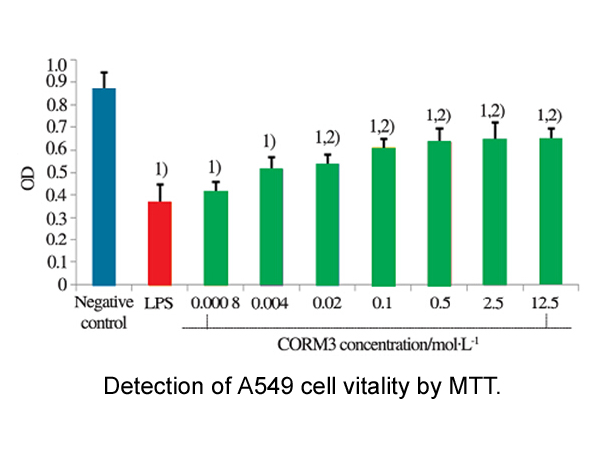
Fencilli et al. reported derivatives of PHA-680626 (15) which demonstrated strong anti-proliferative activity against large group of leukaemia cell lines including IM-resistant BAF3 cells expressing mutants like T315I, M351T and E255K. Decrease in Histone H3 phosphorylation led to induction of endo-
-
As previously mentioned when hypoxia treated cells become
2024-04-27
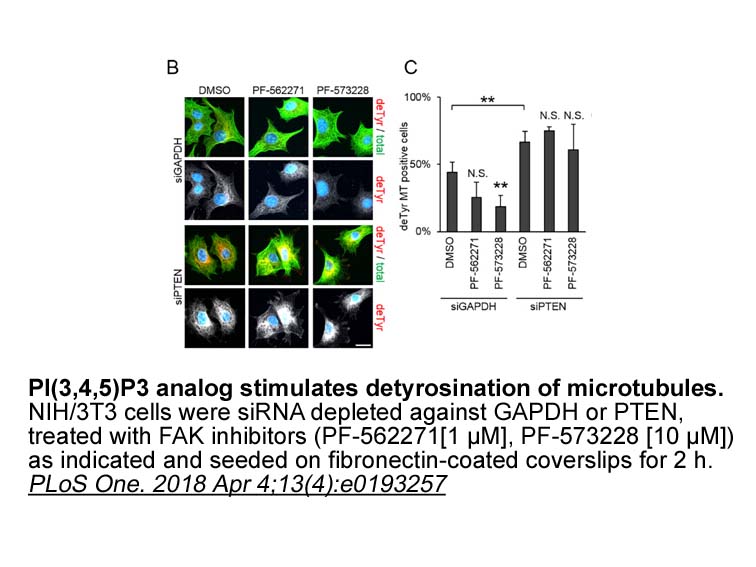
As previously mentioned when hypoxia-treated cells become re-oxygenated they sustain a significant amount of DNA damage which has been attributed to the formation of reactive oxygen species . This finding represents more than just an interesting in vitro phenomenon as within a tumor, cells have been
-
Evidence from basic science studies suggests
2024-04-27
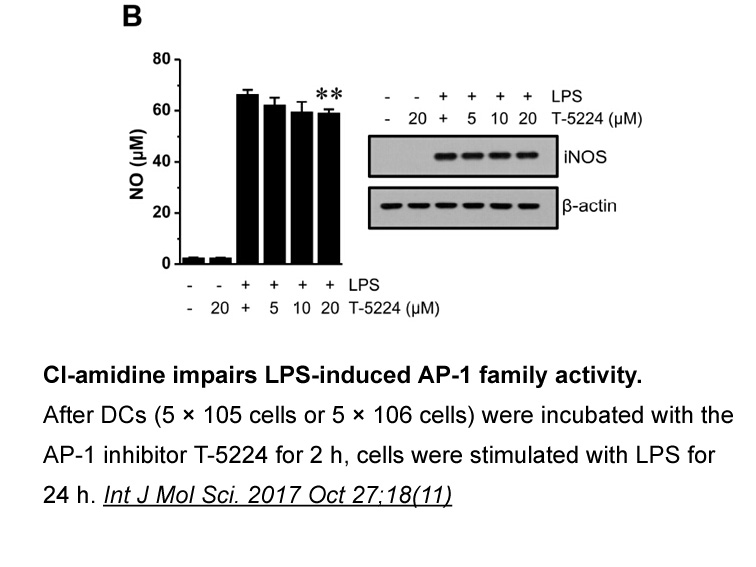
Evidence from basic science studies suggests that Cd may play a role in prostate cancer through disruption of the androgen receptor (AR). AR, a hormone-activated transcription factor, is the key driver of prostate cancer progression [6]. Ironically, the AR is also required for normal prostate growth
8174 records 201/545 page Previous Next First page 上5页 201202203204205 下5页 Last page