Archives
- 2026-10
- 2026-09
- 2026-08
- 2026-07
- 2026-06
- 2026-05
- 2026-04
- 2026-03
- 2026-02
- 2026-01
- 2025-12
- 2025-11
- 2025-10
- 2025-09
- 2025-03
- 2025-02
- 2025-01
- 2024-12
- 2024-11
- 2024-10
- 2024-09
- 2024-08
- 2024-07
- 2024-06
- 2024-05
- 2024-04
- 2024-03
- 2024-02
- 2024-01
- 2023-12
- 2023-11
- 2023-10
- 2023-09
- 2023-08
- 2023-07
- 2023-06
- 2023-05
- 2023-04
- 2023-03
- 2023-02
- 2023-01
- 2022-12
- 2022-11
- 2022-10
- 2022-09
- 2022-08
- 2022-07
- 2022-06
- 2022-05
- 2022-04
- 2022-03
- 2022-02
- 2022-01
-
Aminoglutethimide first generation aromatase inhibitor has b
2024-08-01
Aminoglutethimide, first generation aromatase inhibitor, has been tried as an antiepileptic drug in combination with other standard drugs (Aguilar et al., 1961). Letrozole is a third generation reversible non-steroidal aromatase inhibitor, approved by US-FDA, for the treatment of postmenopausal wome
-
br Conclusions In summary the present results showed
2024-08-01
Conclusions In summary, the present results showed that ageing diminished arginase activity only in clearance tissues and that l-arginine supplementation did not induce major changes in arginase activity thus refuting a role of arginase in the potential deleterious effects of l-arginine supplemen
-
To elucidate whether membrane fluidity changes could
2024-08-01
To elucidate whether membrane fluidity changes could impact on signaling pathways, we examined the effects of Rh2 on the activation of Akt, a lipid raft-associated protein kinase, which promotes cell survival and blocks the apoptotic pathways. Upon pretreatment with 5 mM MβCD and in the absence of R
-
br Results Four HT esters butyrate caprylate laurate and
2024-08-01
Results Four HT esters (butyrate, caprylate, laurate and stearate esters) were chosen as representative compounds of increasing lipophilicity (Fig. 1). We will refer to them as C4HT, C8HT, C12HT and C18HT, respectively. They have been synthesized, purified and characterized according to our previ
-
A strain previously reported as demonstrating strong antifun
2024-08-01

A strain previously reported as demonstrating strong antifungal activity and suitability for food applications is Lactobacillus reuteri R29 (Axel et al., 2016, Oliveira et al., 2015). Oliveira et al. (2015) demonstrated that the cell-free supernatant (cfs) of medium fermented for 48 h with this stra
-
Caspase-3, human recombinant proteinase br Future view and i
2024-08-01
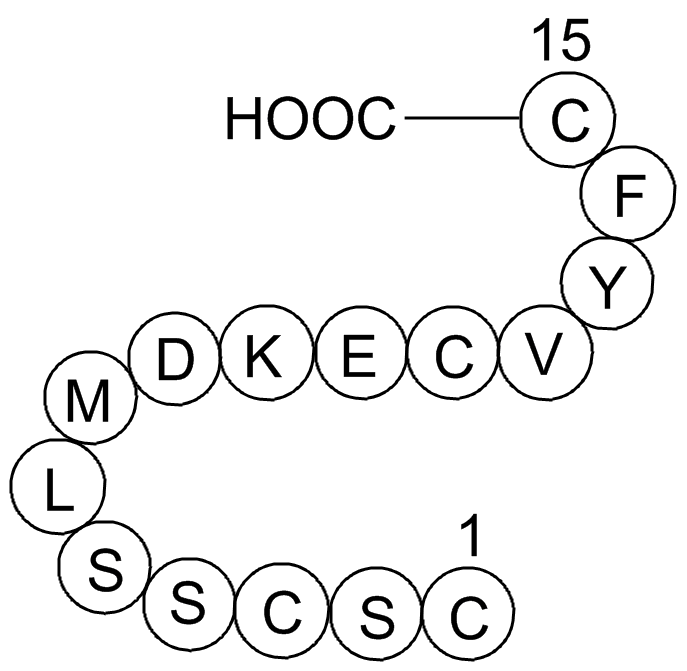
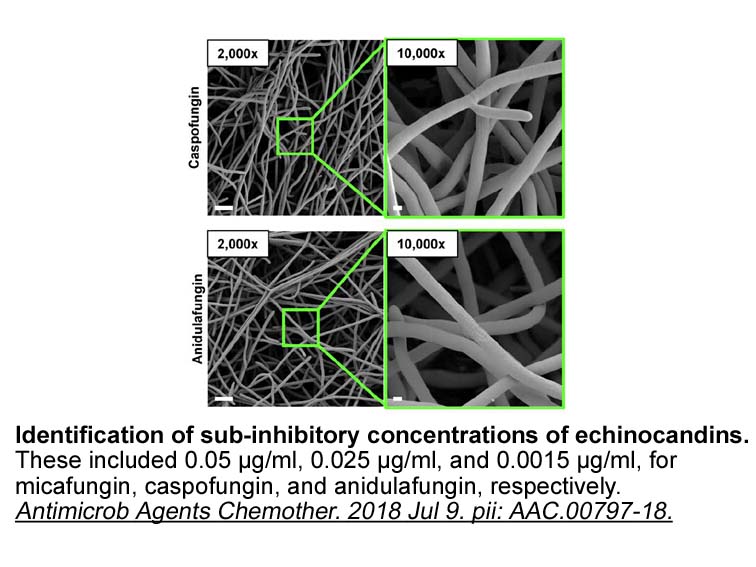
Future view and implications The selection and spread of multi(drug)-resistant microorganisms over the last decades has become a major and global public health concern [35]. Two growing threats originating from the fungal kingdom, i.e. Aspergillus fumigatus and Candida auris[36], [37], re-emphasi
-
br Acknowledgments This work was supported by grants
2024-08-01
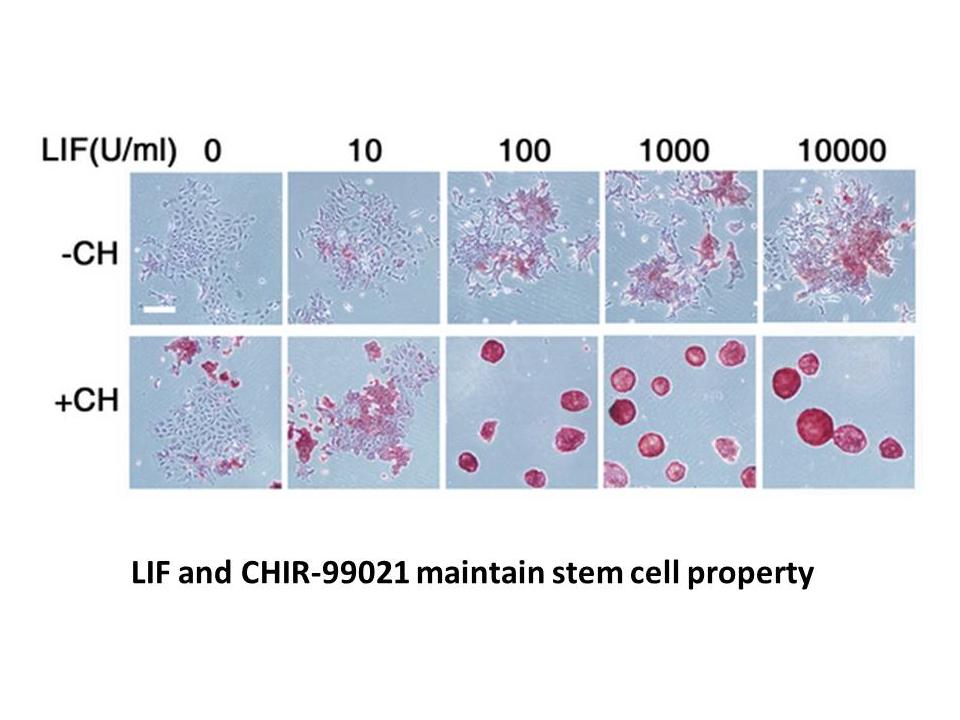
Acknowledgments This work was supported by grants from the “Agence Nationale de la Recherche” ANR-09-CESA-006 program, the Agence Nationale de Sécurité Sanitaire de l’Alimentation, de l’Environnement et du Travail (Anses, Project n° 2012-2-077) and the Interdisciplinary Program “Longévité et Viei
-
br STAR Methods br Author Contributions
2024-08-01
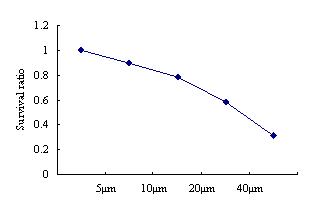
STAR★Methods Author Contributions Acknowledgments This study is funded by National Institutes of Health (NIH) Grants NS028901 and DC004450 (to L.O.T.); N.L. Tartar Trust Fellowship (to H.-W.L.); DC014878 to T.S.B. We thank members of the Trussell lab for helpful discussions, Dr. Stephen Dav
-
Liao and van Linden et
2024-08-01

Liao [47] and van Linden et al. [48] divided the gap between the N-terminal and C-terminal lobes into a front cleft or pocket, a gate area, and a back cleft. The back pocket corresponds to the gate area and the back cleft. The front cleft includes the Gly-rich loop, the hinge, the linker connecting
-
br Introduction Alcohol i e ethanol is
2024-08-01
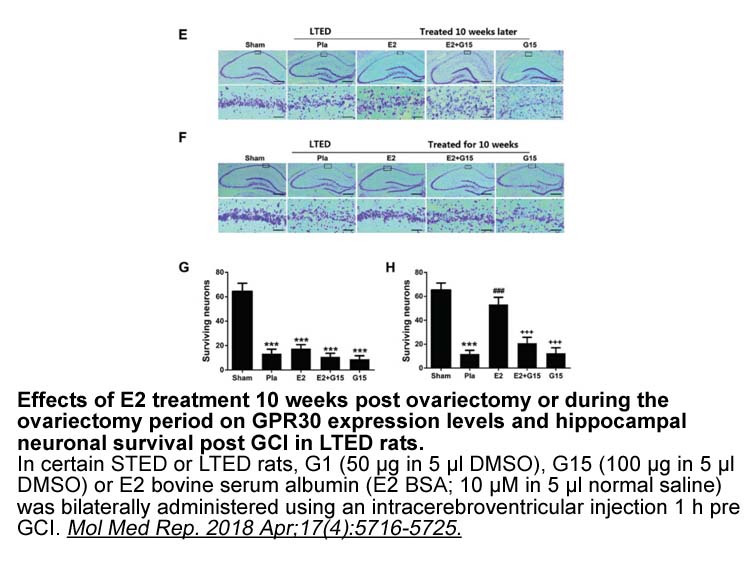
Introduction Alcohol, i.e., ethanol, is absorbed into the blood from the stomach to the small intestine, then distributed throughout the body. The metabolism of alcohol converting to acetic nigericin basically involves two enzymes; alcohol dehydrogenase converting ethanol to acetaldehyde and ald
-
HsALDH enzyme has been purified for the first time in
2024-08-01
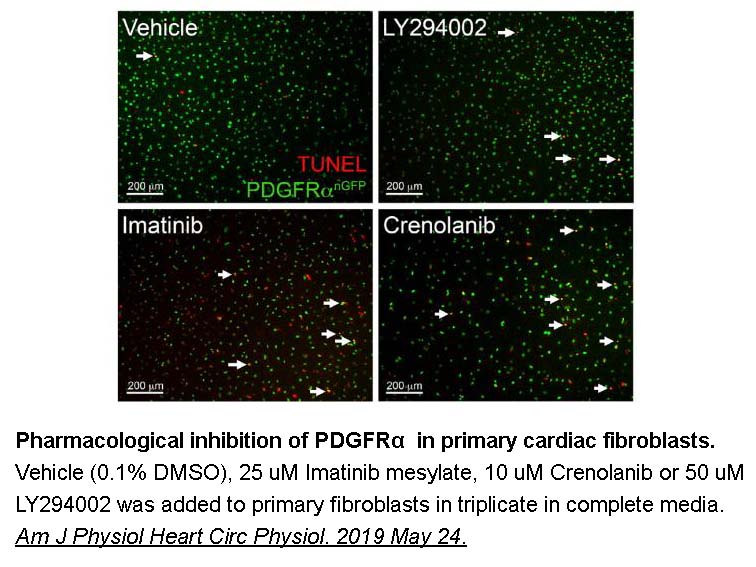
HsALDH enzyme has been purified for the first time in our laboratory from human saliva and has been kinetically characterized using different aromatic substrates [35]. Also, the effect of some common substances frequently encountered by the enzyme in the oral cavity (such as ethanol, hydrogen peroxi
-
Within the PARP family TIPARP is most
2024-08-01
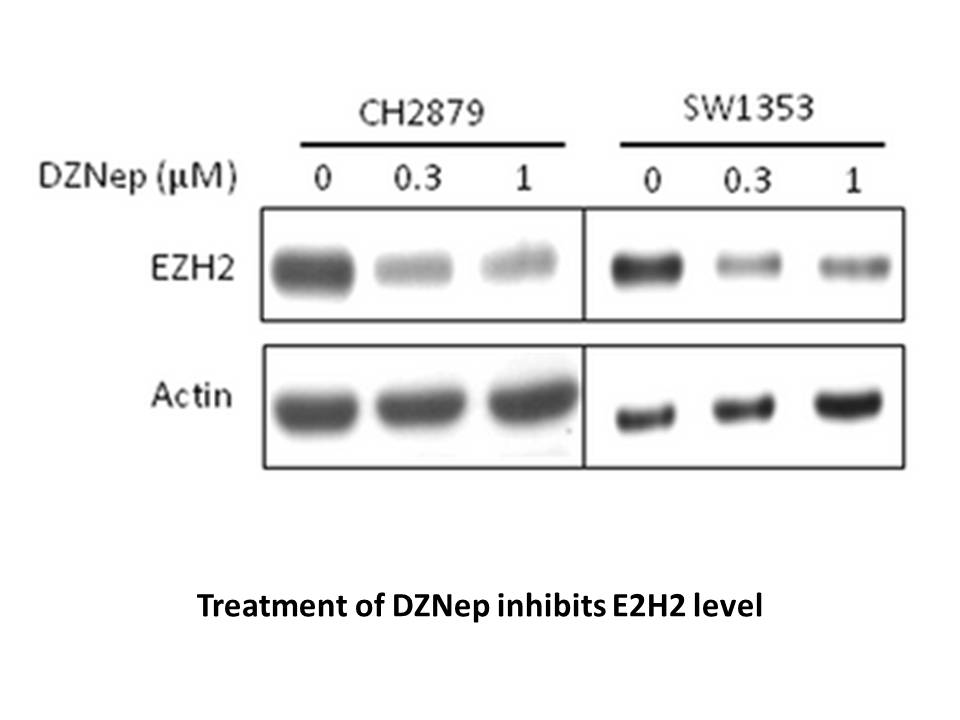
Within the PARP family, TIPARP is most evolutionarily conserved with PARP12 (ARTD12) and PARP13 (ARTD13) [27,28,41]. All three proteins contain at least one RNA-type CCCH zinc finger domain, a poly-ADP-ribose binding WWE domain and a PARP catalytic domain (Fig. 1). PARP13 is catalytically inactive,
-
APPL is highly expressed in pancreatic
2024-08-01
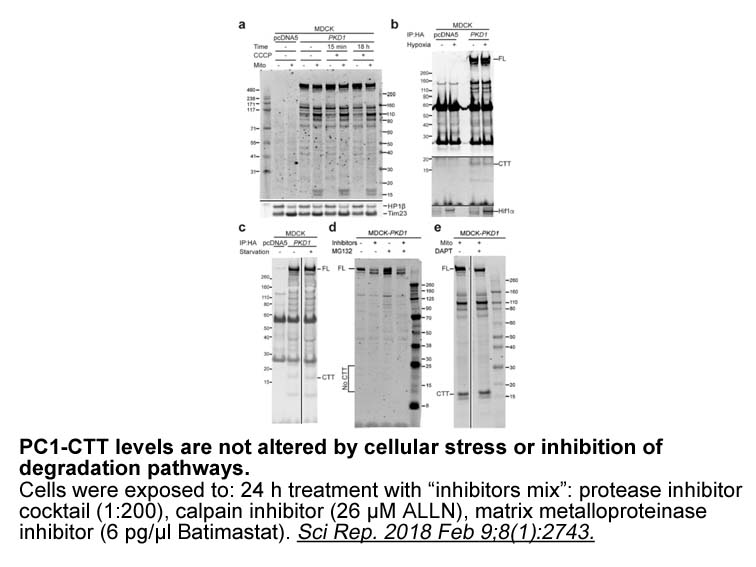
APPL1 is highly expressed in pancreatic β cells, but its levels are significantly decreased in several mouse models of obesity and diabetes, including HFD-induced obese mice and db/db mice [6], [73], suggesting that the dysregulation of APPL1 may be associated with malfunction of the pancreas in obe
-
In an AP scenario several inflammatory mediators
2024-07-31
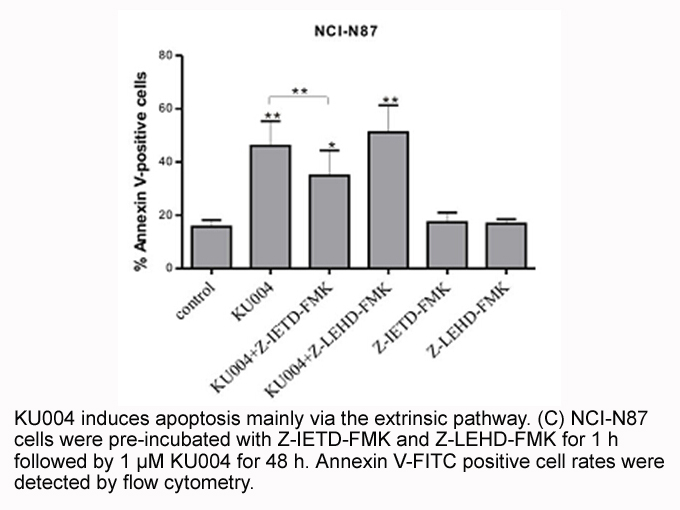
In an AP scenario, several inflammatory mediators are produced locally to orchestrate an immune response. Eicosanoids are among those molecules and represent a class of lipid mediators synthesized from arachidonic Rhapontigenin through the action of cyclooxygenases or lipoxygenases to generate pros
-
Whereas more research is needed to identify the precise mech
2024-07-31
Whereas more research is needed to identify the precise mechanism by which FIN exerts its antidyskinetic effect, the taurolidine receptor that it can negatively modulate dopaminergic transmission is also supported by our previous findings. Indeed, we have previously shown that FIN completely revers
8175 records 146/545 page Previous Next First page 上5页 146147148149150 下5页 Last page